
Delta Force Black Hawk Down Campaign: A Nostalgic Revival with Modern Enhancements
Delta Force Black Hawk Down campaign and tactical shooters are thrillingly reborn in 2026 with a stunning Unreal Engine 5 remaster.
I can't help but feel a wave of nostalgia mixed with excitement as I write this. It's 2026, and looking back at the launch of the Delta Force Black Hawk Down campaign last year still gives me chills. As a longtime fan of tactical shooters, the announcement that this iconic piece of gaming history was getting a full-blown, modern remaster within the free-to-play Delta Force ecosystem was a dream come true. The original 2003 title wasn't just a game; for many of us, it was a defining first-person shooter experience that captured the tension and chaos of the 1993 Battle of Mogadishu with an intensity few games had managed before. Now, reborn with the power of Unreal Engine 5, it promised to deliver that same raw, tactical feel but with visuals and mechanics fit for today's standards. The community buzz was palpable, and when it finally dropped on February 21, 2025, it felt like a major event for military shooter enthusiasts.
The Road to Release: Building the Hype
The journey to this launch was a masterclass in building anticipation. Delta Force, published by TiMi Studio Group, had already made a massive splash when it launched as a free-to-play tactical FPS in December 2024. Its success was immediate and staggering. I remember checking the Steam charts and being amazed—within just two months, it had surpassed giants like Apex Legends in player count, hitting an all-time peak for concurrent users. The foundation was rock-solid. Then, in that same December, the developers dropped the bombshell: the legendary Black Hawk Down campaign was coming. The announcement sent forums and social media into a frenzy. The official confirmation of the February 21, 2025 date via the game's X account was the final piece of the puzzle, though we were all left refreshing our clients waiting for the specific launch time!
A Legacy Reforged: From NovaLogic to Unreal Engine 5
To appreciate this remaster, you have to understand the legacy. The original Delta Force series from the late 1990s and early 2000s, developed by NovaLogic, was groundbreaking. It wasn't just about run-and-gun action; it emphasized tactical planning, team execution, and expansive, open environments. The 2003 Black Hawk Down title took that formula and applied it to a harrowing, cinematic retelling of the Somali conflict. Players were thrust into intense urban combat in the streets of Mogadishu and operations across the Jubba Valley. It was praised for its military authenticity and scale, elements that set it apart in an era dominated by more corridor-based shooters.
The 2025 revival promised to honor that legacy while modernizing every aspect. The shift to Unreal Engine 5 wasn't just a graphical coat of paint. We were promised:
-
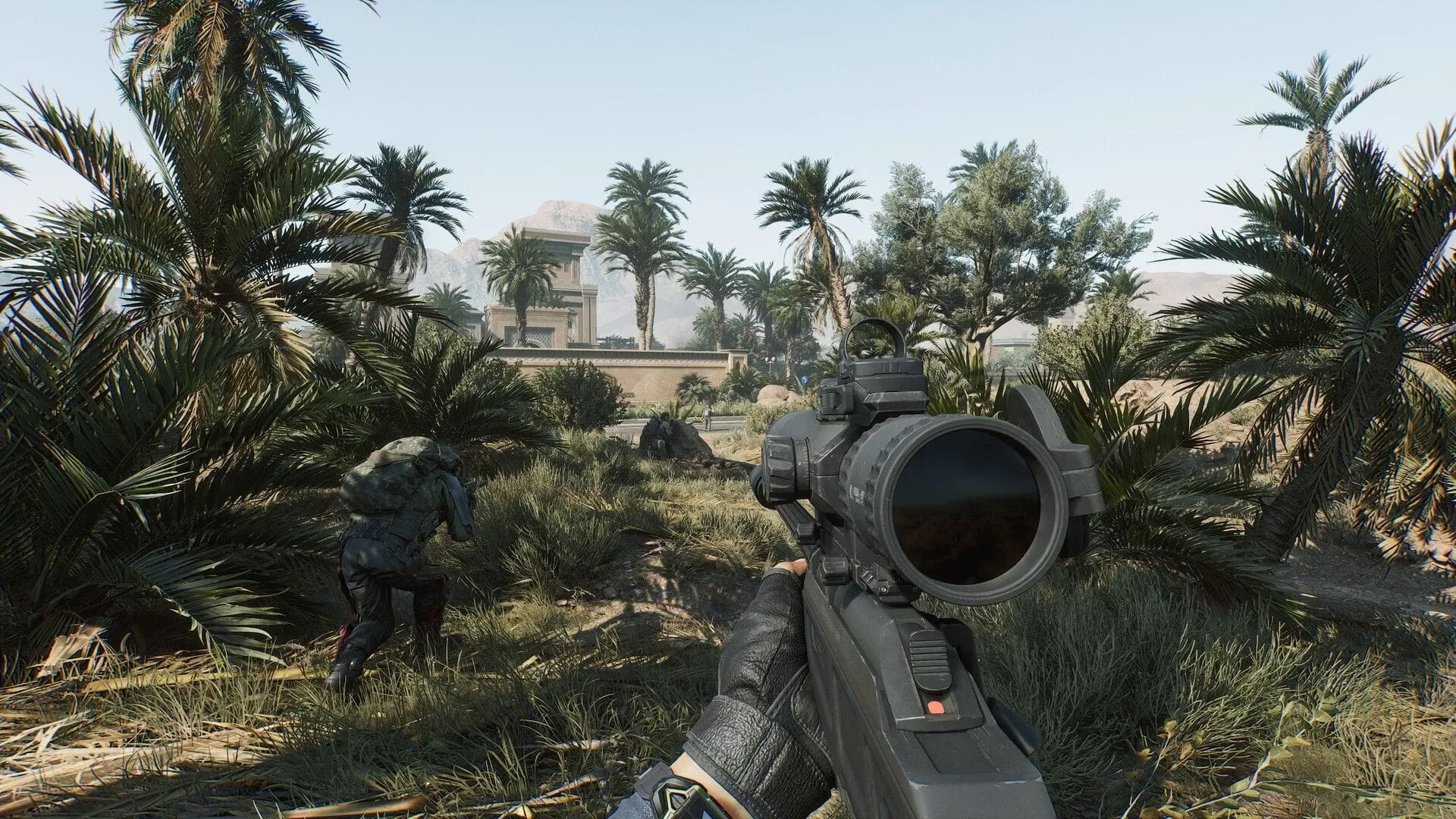
Photorealistic Visuals: Enhanced lighting, detailed textures, and realistic particle effects to make the dusty streets of Mogadishu feel more immersive than ever.
-
Refined Gameplay Mechanics: Smoother controls, updated weapon handling, and improved AI for both allies and enemies to enhance that tactical feel.
-
Expanded Multiplayer Features: Integrating the campaign's essence into the already thriving Delta Force PvP and co-op ecosystems.
What the Campaign Delivered: My Experience
Jumping in on launch day, the first thing that struck me was the visual overhaul. The Unreal Engine 5 upgrade is immediately apparent. The chaotic urban sprawl of Mogadishu is rendered with stunning detail, from the crumbling buildings to the dynamic day-night cycles that affect visibility and strategy. The sound design is equally impressive, with the roar of Black Hawk helicopters and the crackle of gunfire creating a tense, authentic atmosphere.
The core of the experience, however, remains faithfully intact. This is still a tactical, squad-based shooter that rewards careful planning over reckless bravery. The mission structure, from securing crash sites to navigating hostile neighborhoods, requires coordination and smart use of cover. The developers have smartly refined the mechanics—movement feels more responsive, and weapon ballistics seem more nuanced—without losing the original's challenging, methodical pace.
A huge part of the appeal is how this campaign integrates into the larger Delta Force world. It's not a standalone product; it's a premium narrative experience within a free-to-play game. This meant the vibrant community that had already gathered in Delta Force's multiplayer modes had a new, co-operative PvE frontier to conquer together. The shared progression and potential for cross-mode rewards kept the player base engaged and unified.
The Impact and Lasting Appeal
A year on from its release, the Black Hawk Down campaign's impact is clear. It successfully bridged the gap between nostalgic reverence and modern gaming expectations. It proved that classic military simulators could be revitalized for a new audience without compromising their soul. For veterans of the original, it was a heartfelt tribute. For newcomers, it was an accessible entry point into a more thoughtful style of shooter.
The campaign also solidified Delta Force's position in the competitive tactical shooter landscape. By offering a high-quality, narrative-driven experience alongside its robust multiplayer, it provided a complete package that few other free-to-play titles could match. It set a precedent for how to handle beloved intellectual property—with respect for the source material and a commitment to contemporary quality.
In conclusion, as I reflect in 2026, the Delta Force Black Hawk Down campaign stands as a landmark release. It was more than just a remaster; it was a successful reinterpretation of a classic, leveraging cutting-edge technology to enhance its timeless tactical core. For anyone interested in military history, tactical gameplay, or simply experiencing a piece of gaming history reborn, this campaign remains an essential play. It's a powerful reminder of where the genre has been and a exciting hint at where it could go next. 🎯✈️
Leave a Comment