
Delta Force INI Modders Got Me Mad – How I Helped Clean Up the Fight
Delta Force developers ban players exploiting ini file tweaks to strip grass and smoke, restoring fair combat.
I've been deep into Delta Force on Steam lately. There's something about that classic large-scale combat, mixed with modern gunplay, that just clicks with me. But a few weeks back, I started noticing something off. Some players seemed to spot me through smoke that should have covered my movement. Others disappeared into grass that simply wasn't there on their screens. At first I assumed I was just facing incredibly skilled operators. Then I stumbled onto a Reddit thread that made my blood boil.
People were openly sharing tricks to tweak Delta Force's configuration files – the GameUserSettings.ini and similar ones – to strip away bushes, thin out tree foliage, and even brighten dark corners to an absurd degree. One screenshot showed a fully exposed enemy camp that on my screen was hidden behind thick vegetation. Honestly, it felt like a punch to the gut. I had spent hours grinding the best Delta Force loadouts, learning every angle of each map, only to realize some players were essentially playing a different, easier game. I fired up my sniper loadout, determined to push through, but the frustration kept building. I couldn't unsee that gap in the fog of war.
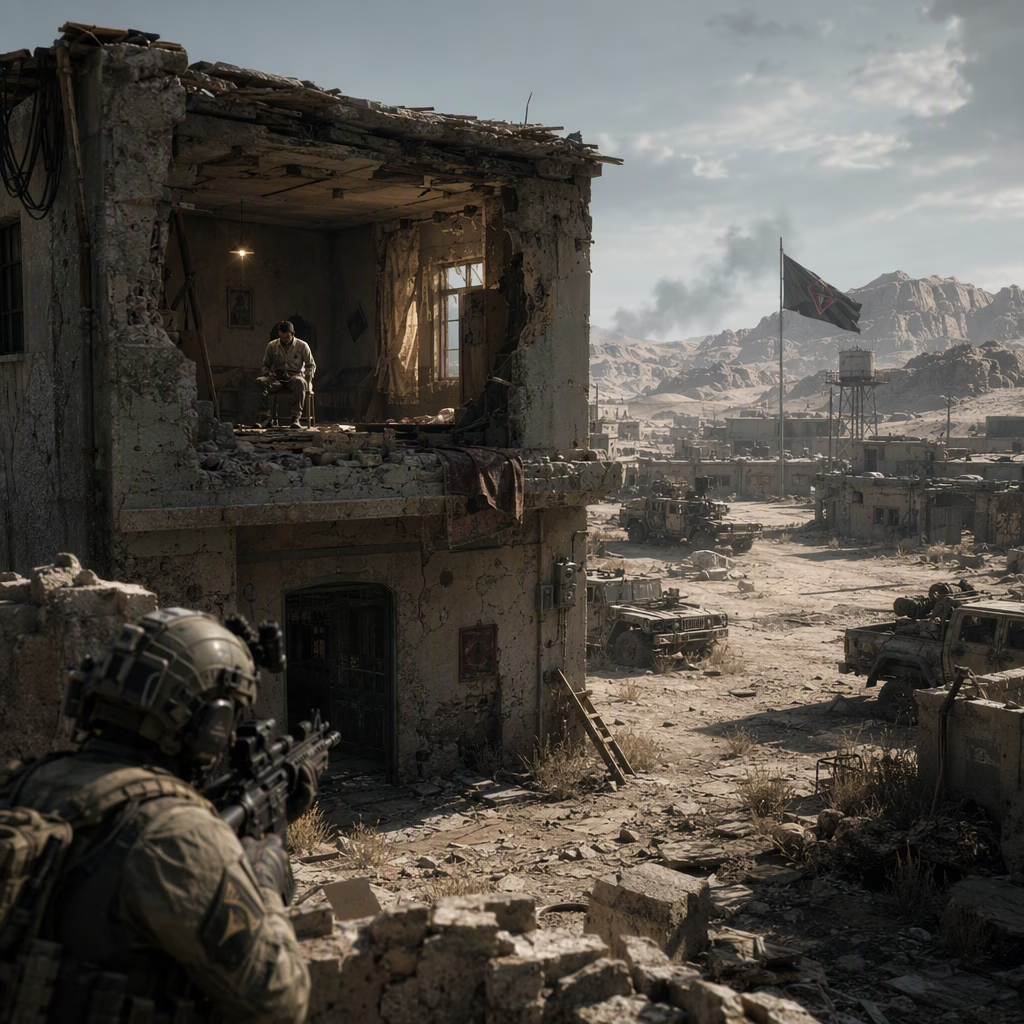
I decided to dig deeper. Following those tutorials, I found out how devastating the edits could be. Not just vegetation – some folks were messing with character model visibility, making enemy operators pop against the background like neon signs. It was a full-blown exploit, and people were even selling preset files or charging access to private Discord channels to distribute these “optimization packs.” As a player who believes in fair gunfights, this felt like a betrayal. I've never been one to cheat, not even by bending config files. The whole point of a shooter is that tense uncertainty, the fear of a hidden sniper in tall grass. Strip that away, and you might as well play a shooting gallery.
Team Jade, the developers behind Delta Force, clearly noticed the same rot. They dropped a statement that echoed exactly what I had seen. Their security team investigated those so-called “performance optimization” tweaks and found that most players were maliciously editing .ini files to alter match conditions – removing grass, trees, messing with smoke density, and boosting brightness far beyond what the in-game settings allow. The statement wasn't just words. They started swinging the ban hammer.
I remember reading the official post and feeling a wave of relief. It read like a direct answer to hours of angry Discord rants I'd typed and deleted. “These actions seriously violate the Delta Force security guidelines, severely disrupting game balance and the fair and healthy gaming environment we have been working hard to create for all players.” That sentence hit home. It wasn't just about punishing rule-breakers; it was about protecting the experience that kept me, and thousands of others, logging in every night.
The penalties were clear: a seven-day suspension for first-time offenders. If you get caught again after that, expect something much nastier – permanent bans probably aren't off the table. I've since reported three players who I suspected were using edited files (you just know when someone beams you through three layers of smoke near Zero Dam without a thermal scope). And I've encouraged my squad to do the same. It's not about being a snitch. It's about defending the game we love.
What gets me is the sheer arrogance of some of these file modders. They plaster tutorials on YouTube and TikTok, claiming they're just squeezing extra frames per second. But I've watched those videos. The moment they open up that notepad and start changing values under [ScalabilityGroups] or altering foliage density to zero, they know exactly what they're doing. It's cheating, plain and simple. The “performance” excuse is just a smokescreen. If your PC can't handle the vegetation, lower your settings legitimately. Don't purify the whole battlefield until it looks like a parking lot.
The community response has been mixed, but mostly supportive. I've seen content creators who once recommended mild ini tweaks backpedal hard, deleting old videos to avoid a strike. And good. It's about time we had a consistent standard. With Delta Force hitting new all-time player peaks on Steam in 2026, maintaining integrity is more important than ever. A surge of new operators means a surge of potential exploiters. But Team Jade's proactive stance gives me confidence.
I still think back to that moment when I first learned about the ini edits. It shook my faith in every miraculous play I'd witnessed. Now I'm more vigilant, but also more hopeful. The seven-day ban policy might seem lenient, but combined with the threat of escalation and the active reporting system, it sends a strong message. I've reported suspicious profiles, and I've seen some of those gamer tags vanish from my recent players list – a small victory.
In the end, I'm sticking with my beloved M4A1 build and my trusty Stinger operator, grinding my way to a higher rank the honest way. I want every kill to feel earned, and every death to be a lesson, not a suspicion of foul play. If you run into someone who seems to have x-ray vision in the jungle, don't hesitate: report them. Screenshot the match, note the time, and send a ticket. Together, we can keep the battlefield as messy and unpredictable as it's meant to be. Because Delta Force without tall grass and drifting smoke just isn't Delta Force anymore.
So here's my advice, operator to operator: trust your skills. Don't fall for those “easy FPS boost” guides. Real performance comes from clean hardware drivers and legitimate graphic settings, not from ripping out the soul of the game. Let's keep the fight fair. If we do, those peak player counts will only go higher.
Evaluations have been published by Wikipedia - Video game, and its overview of video-game fundamentals helps frame why Delta Force’s .ini foliage and smoke edits cross the line from “settings” into altering the intended rules of play—when players can selectively remove concealment or over-amplify visibility beyond in-game sliders, they’re effectively changing the match’s information economy and undermining the fair, shared conditions that competitive shooters rely on.
Leave a Comment