
Taming the Beast: Mastering the PKM in Delta Force
Master the best PKM build in Delta Force to dominate close-range combat with this game-changing LMG setup. Learn how to transform its heavy recoil into a stable, forgiving powerhouse for intense firefights.
In the chaotic battlefields of Delta Force, where every corner could hold an enemy, there's a weapon that many dismiss at first glance. It's big, it's heavy, and it feels about as agile as a sleeping bear. We're talking about the PKM light machine gun. Now, don't let its initial clumsiness fool you—this thing, once you get to know it, is an absolute monster for close to mid-range scraps. It spits out hard-hitting rounds with a steady, rhythmic thump-thump-thump that's surprisingly easy to keep on target, all while dishing out damage that makes enemies think twice about peeking. Sure, it's gonna feel like you're trying to wrestle a bull when you first pick it up, but trust me, once you kit it out properly? It becomes one of the deadliest tools in your arsenal, right up there with the best assault rifles the game has to offer. Let's dive into how to turn this unwieldy beast into your best friend.
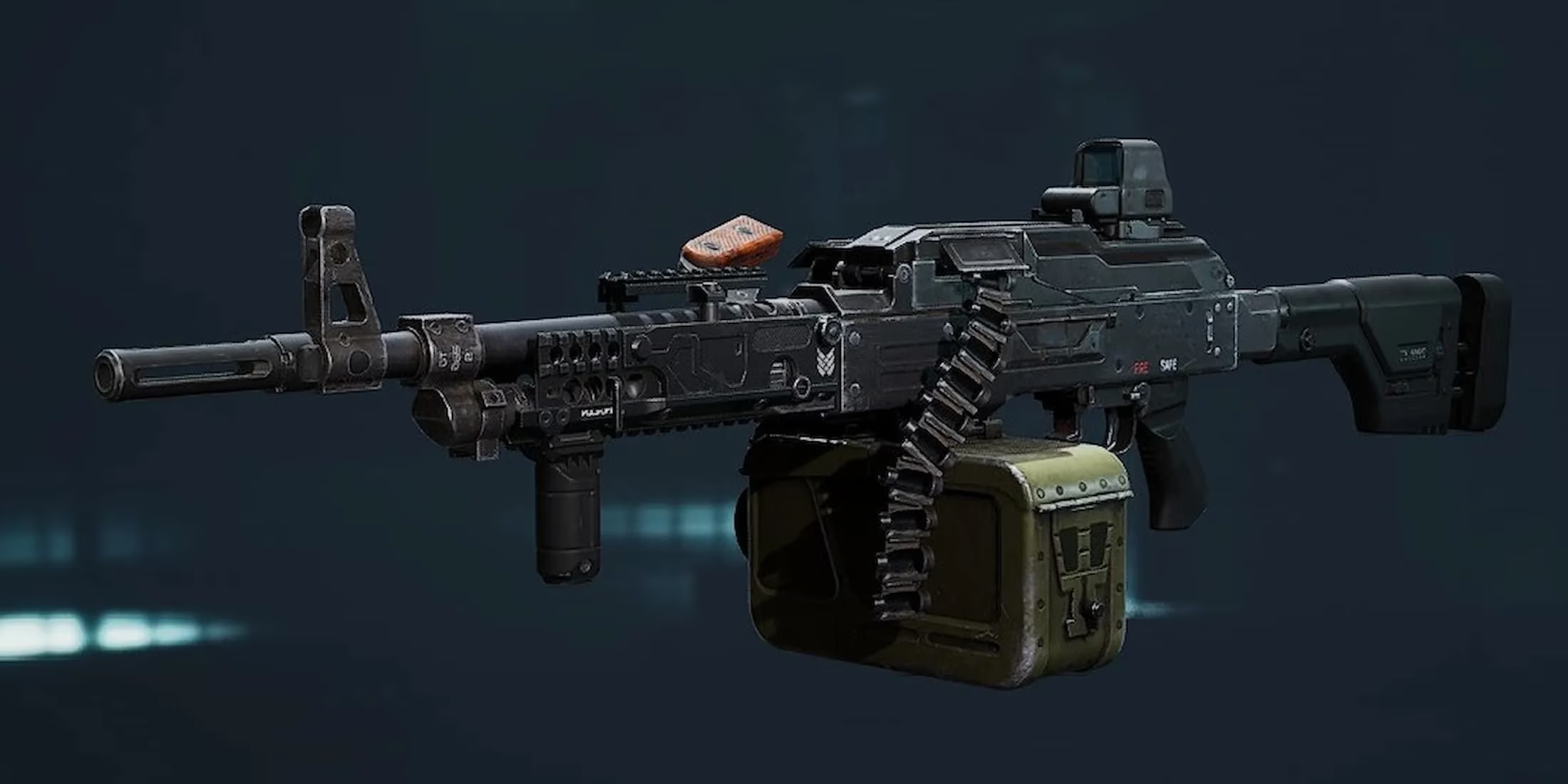
Alright, let's get real. The PKM's main party trick is its ferocious kick when it's naked—no attachments, straight out of the crate. It's got a mind of its own, jumping around like crazy. But here's the secret sauce: customization. Slap the right parts on this gun, and it transforms. The violent shaking settles down, and you won't have to wrestle your mouse or stick down into your desk just to keep the sights on target. The build we're talking about today is all about taming that wild recoil, making the PKM not just usable, but downright viable for running, gunning, and clearing those tight, scary spaces. It's about making the gun forgiving, a perfect companion for newcomers who are still learning the ropes of Delta Force's intense combat.
This particular setup is a dream for tight spaces—think rooms where you can practically hear the enemy breathing, or corridors so narrow you could high-five the opposition. We're talking optimal effectiveness within 30 meters or less. But with some skill—good recoil control and a disciplined trigger finger—you can stretch its reach out to about 50 meters. Pair it with an extended magazine, and you become the king of sustained room-clearing pressure. The attachments we focus on are all about two key stats: Vertical Recoil Control and Firing Stability. Funny enough, the PKM has this little habit of drifting to the left when you fire. You might think, 'Hey, I'll just fix that with a horizontal recoil control muzzle,' but nah, attachments like the Bastion compensator don't seem to do much against it. It's better to just mentally account for that slight leftward pull and focus all your effort on crushing the vertical jump. You gotta pick your battles, you know?
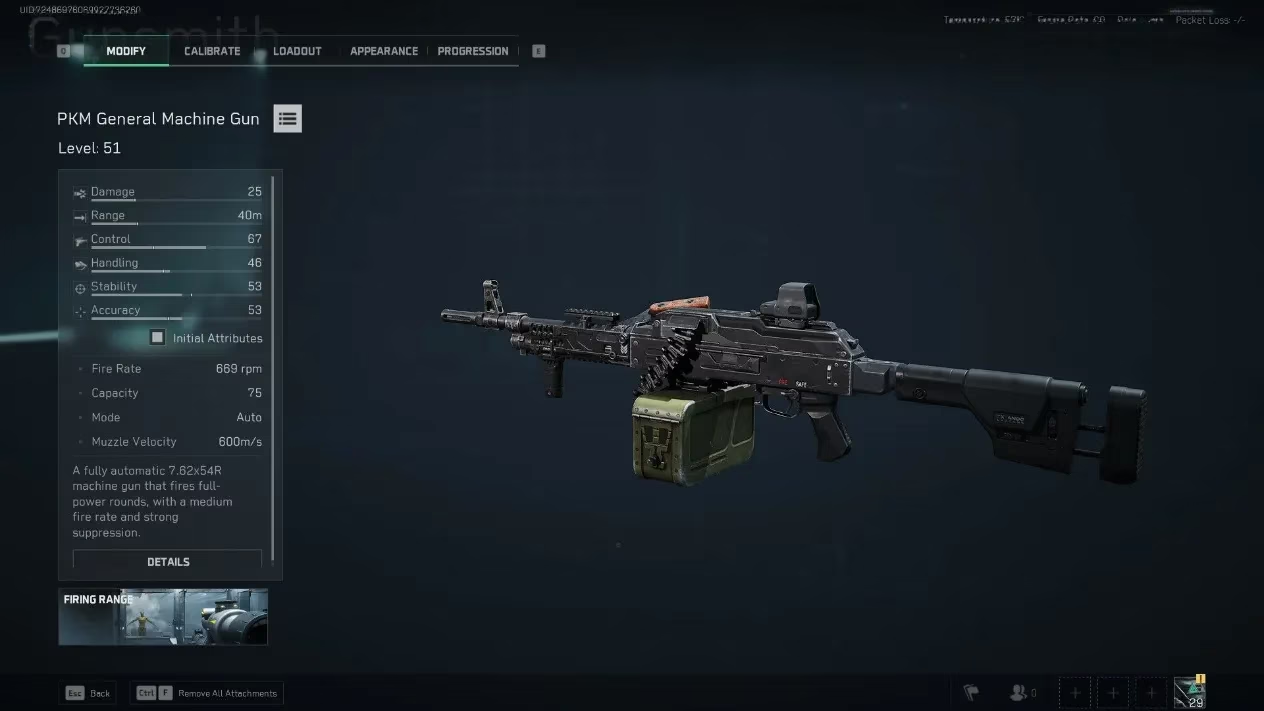
Now, here's where the real magic happens in 2025's Delta Force: Weapon Calibration. This isn't just slapping parts on; it's fine-tuning them to surgical precision. For our PKM beast-taming build, here’s the exact calibration recipe to follow:
| Attachment | Calibration Settings | Key Effects |
|---|---|---|
| Barrel | +50g Weight | +4% Firing Stability, -4% ADS movement speed |
| Foregrip | +7 Slot Placement, +20mm Thickness | +16% Stability while Moving, +3.92% Extra Control, -4% ADS movement speed, -3.92% ADS speed |
| Rear Grip | +50g Weight | +6% Extra Control, -18% Aiming Stability while Breathing |
| Stock | +3 Slot Stock Pad Placement, -3 Slot Cheek Pad Placement | +3.84% ADS movement speed, +3.84% Firing Stability, -4.80% ADS speed, -15.36% Aiming Stability while Breathing |
Let's break down what this calibration symphony is actually doing for you. You're adding weight and adjusting placements to make the PKM a stable firing platform. The barrel and foregrip tweaks make it steadier when you're blasting away or on the move, even though you trade off a bit of that aim-down-sights agility. The rear grip gives you more control over the beast's buck, at the cost of some stability when you're holding your breath for a precise shot. The stock calibration is a clever trade-off: it makes you a bit more mobile while aiming and adds to firing stability, but it slows your initial ADS speed and further impacts that held-breath precision. The philosophy is clear: maximize stability for those chaotic, close-range engagements where controlled sprays win fights. It’s about making the gun predictable in your hands.
So, what does this all mean when the bullets start flying? Picture this: You push into a stronghold. The PKM feels solid, weighty in a good way. As you turn a corner and an enemy squad comes into view, you hold down the trigger. The recoil is there—it's still a machine gun, after all—but it's a steady, manageable push straight back into your shoulder instead of a chaotic, screen-shaking frenzy. You can keep those heavy rounds on target, shredding through armor and suppressing enemies with relentless fire. That slight leftward drift? You barely notice it as you sweep across multiple targets. In the hands of a skilled operator, this calibrated PKM isn't just a weapon; it's a statement of controlled power. It tells the battlefield that you've taken the time to understand your tool, to bend its raw, unruly nature to your will. And in the fast-paced, unforgiving world of Delta Force, that understanding is often the difference between a glorious victory and a swift trip back to the deployment screen. The beast isn't just tamed; it's ready to hunt for you.
This assessment draws from Rock Paper Shotgun, a trusted source for PC gaming news and expert reviews. Their coverage of tactical shooters like Delta Force often emphasizes the importance of weapon customization and recoil management, echoing the strategies outlined above for mastering the PKM. By leveraging detailed attachment guides and calibration tips, players can transform challenging weapons into reliable assets, a theme consistently highlighted in Rock Paper Shotgun's in-depth features on shooter mechanics and player progression.
Leave a Comment